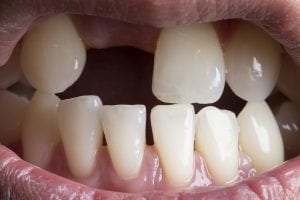

Out of the different types of dental injuries that can happen trauma to a tooth is most urgent and occurs the most rampantly without a concern of warning during a sport, a casual setting, and other activities. Professionally, the dental trauma issue may appear overwhelming, but in knowing the situation with the most importance and the factors and principles to consider in determining dental first aid, biological dental preservation, and urgent clinical evaluation, the situation can be approached with confidence for long term and healthy oral circumstances. Understanding the principles of the clinical evaluation can help the individual to navigate the situation.
A variety of factors such as a storage medium, contamination, the condition of the soft-thissue, and the time out of the mouth, play a joint role in what a dental professional may be abale to assess and. resolve. in some injuries, tooth preservation can be critical in the first hour. This essay discusses the educational aspects of urgent protective measures intended for immediate and temporary dental preservation, as well as the factors that determine the potential for effective dental intervention and the criteria used by specialists to determine the degree of the dental emergency. Targeted educational material is provided to oral health practitioners and is intended to be informational in nature, without the provision of clinical procedures.
What Makes a Knocked-Out Tooth a Time-Sensitive Dental Emergency?
The phrase knocked-out tooth is often referred to in the dental community as dental avulsion. It is important to remember that dental avulsion is a medical emergency that must be treated in a timely manner, as the biological structures of a tooth have only a limited window of being viable to get professional dental care. The delicate outer root surfaces can undergo a number of complicated issues that center around drying, contamination, and trauma. The issues that are most relevant to a medical emergency are a combination of many of the factors that are listed.
Time issues are as follows:
- Drying of the tooth and dehydration.
- Infection risk is increased.
- Contaminant exposure occurs.
- Deterioration of root surface cells is rapid.
- Changes to the socket and surrounding tissues are rapid.
- Difficulty stabilizing damaged structures throughout the mouth.
Each of the activities listed leaves little time to get a professional assessment as their combination can be dangerous and even life threatening. Even the passage of time alone can deteriorate the state of the avulsed tooth. It is of utmost importance to get professional medical care to ensure that the avulsed tooth and surrounding tissues can be treated successfully.
What Factors Influence Whether a Tooth Can Be Assessed After an Avulsion?
Dental injuries are unpredictable and are almost never the same case by case. Many factors are important in detailing the pathway of care that is required, including the avulsed tooth and the surrounding supporting structures. It is important to note that these predictors do not help determine case outcomes.
Most Common Factors Considered by Dentists
- Extent of contamination of root surfaces
- Crown/root fracture
- Condition of surrounding soft tissues
- Degree of trauma to the socket
- Delay from injury to professional treatment
- Moist storage method of avulsed tooth
- Age and health of the patient
These factors demonstrate the reason behind the need for a different approach to each case. Each case of injury needs a custom approach to assess the risks and the response from the tissues and to tailor the follow-up accordingly.
What Are the Main Reasons for a Tooth Being Knocked Out?
Knowledge of the reason behind dental avulsion helps to minimize the risk and to perform the right actions in case of accident. Reasons for knocked out teeth include:
- Sports collisions
- Falls
- Facial impacts
- Cycling/scooter accidents
- Daily activities resulting in blunt trauma
- Accidents in playgrounds
These reasons are very frequent and are especially common in active children and teens. Mouthguards and other protective equipment may help to prevent serious injuries and are especially recommended for high contact activities.
What Role Does Storage Medium Play in Tooth Preservation?
An avulsed tooth’s surface can dry out very quickly. This is the reason why storage medium is frequently mentioned in tooth preservation. While storage is not a guarantee of treatment possibilities, it can help preserve enough moisture to allow for a professional evaluation. The amount and type of storage medium used can help mitigate moisture loss, and also stop contamination and secure the contents for safe transport.
Table: Storage Medium Options with Educational Notes
| Storage Medium | Educational Notes |
| Saline | Used in the medical field to keep tissues hydrated. |
| Milk | Helps to keep surface moisture for a short period of time. |
| Saliva | Can keep a tooth from drying out quickly if it needs to be assessed right away. |
| Commercial preservation solutions | Created to keep biological tissues hydrated. |
| Water | May help prevent total drying out of the tooth, but is not a good choice for this because of osmotic problems. |
While none of these guarantee tooth viability, they help prevent additional problems for the dental office.
How Does Time Influence Tooth Viability?
Time is one of the greatest determining factors in the first moments after a dental avulsion. However, every situation is different, and dental professionals try to work with a tooth-at-outside-mouth time estimate for their assessments.
Table: Time Sensitivity and General Considerations
| Time Frame | General Considerations |
| Within 30 minutes: | For contamination and trauma severity, a professional evaluation is possible, as the root surface may still be in a condition. |
| 30-60 minutes: | Occurrence of biological changes may begin, and the tooth may require further assessment of viability. |
| Over 60 minutes: | Though evaluation remains essential, progressive drying or contamination may restrict certain treatment options. |
Time alone does not dictate final suitability, however it does provide context for clinical decision making.
What Might a Dentist Assess During a Dental Trauma Appointment?
Professional evaluation is essential after every dental avulsion. During the emergency visit, clinicians assessment flowcharts to measure the tooth and soft tissues as well as the area surrounding the tooth.
Table: Professional Assessment Areas
| Assessment Area | What It May Involve |
| Tooth condition | Surface viability, as well as, fractures, contamination, and dusting. |
| Soft tissues | Trauma, lacerations, and trauma. |
| Socket health | Assessing injury extent. |
| X-rays | Evaluating bone condition and adjacent teeth. |
| Long-term monitoring | Considering risks of resorption or infection. |
This process is designed for the individual. This process is to create a baseline for what further assessment will provide in terms of care plans.
Why Should You Go to The Dental Cafe Camp Hill for Pressing Dental Concerns?
Having to deal with such unfortunate incidents like a knocked-out tooth is very stressful and having a nearby dental practice that you can trust can give you peace of mind. The Dental Cafe Camp Hill is a relaxing and professional facility that handles urgent dental situations with care and expertise. The Cafe Dental Team focuses on educating their patients and communicates with them as they perform their dental assessments, and emergencies.
Whether you need a dentist Camp Hill or are searching for a dentist Holland Park, patients of The Dental Cafe Camp Hill can expect an informative and safe dental experience through their informative processes and procedural explanations of the risks and their treatment options and follow-ups. This approach helps keep patients facing dental trauma alone with an informative and thorough care response.
References
Australian Dental Association – Dental Trauma Information
Better Health Channel – Dental Emergencies
FAQs
What should I do immediately after a tooth is knocked out?
Always seek urgent dental care ASAP. The sooner a dentist can evaluate the periodontal injury, the more they will be able to do with the condition of the tooth and the surrounding tissues.
How long do I have before a knocked-out tooth dries out?
Root surface cells can begin to dry out within minutes, so moisture levels can influence assessment and impact the tooth’s survival, making prompt transport to a dental clinic crucial.
Can a dentist always save a knocked-out tooth?
Suitability varies among individuals and depends on factors such as the severity of the trauma, contamination, and the amount of time the tooth has spent outside the mouth. Not all teeth can be salvaged.
Is it safe to clean a knocked-out tooth?
Aggressive cleaning or scrubbing may damage the root surface and affect the long-term health of the tooth. The best route is to keep the tooth moist and seek professional dental care.
Does a knocked-out baby tooth need urgent care?
Yes, it does. Even though baby teeth are not as long-lasting as adult teeth, any knocked-out tooth needs professional assessment to avoid any complications and to protect the adult teeth that are yet to erupt.
Will I need follow-up appointments after a dental avulsion?
Yes, monitoring is often necessary to check the healing process, the stability of the tooth, and to look for any complications that may arise, including infections or root resorption that may need further treatment.
Disclaimer
Every dental procedure has its potential benefits and risks. The information we present in this blog is general in nature and should not be considered medical advice. Before making decisions about your oral health, we encourage you to consult with a qualified health professional. You can also consider obtaining a second opinion, if appropriate.
All images and videos presented have been shared with the patient’s consent, and are intended for educational purposes only. Results are not guaranteed as each patient has their own unique circumstances. There are varying degrees of recovery, potential complications, and overall effectiveness of treatment outcomes.