

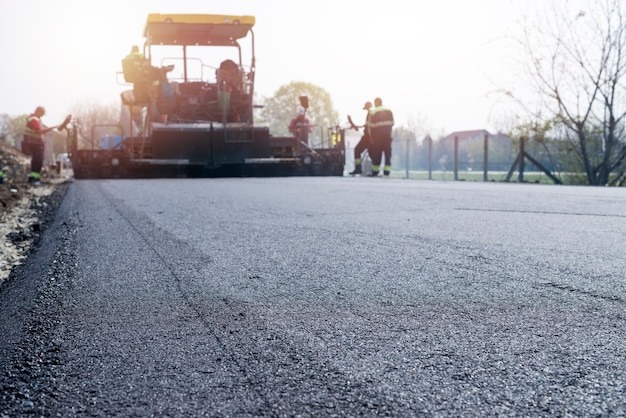
Maintaining asphalt surfaces is essential for preserving their durability and appearance. Over time, driveways and parking lots are exposed to sun, rain, chemicals, and constant traffic, all of which can weaken the pavement. Asphalt sealcoating is a professional maintenance process designed to protect asphalt from these damaging elements. When done correctly, it enhances the surface’s lifespan, improves curb appeal, and reduces long-term repair costs. Below is a step-by-step guide to how professionals handle the sealcoating process.
Step 1: Initial Inspection and Assessment
The first step in professional asphalt sealcoating is a thorough inspection of the surface. Contractors assess the overall condition of the pavement, looking for cracks, potholes, oil stains, and structural damage.
This evaluation helps determine whether repairs are needed before applying the sealcoat. Sealcoating should only be performed on structurally sound asphalt to ensure proper adhesion and long-lasting results.
Step 2: Cleaning the Surface
Proper cleaning is crucial for successful asphalt sealcoating. Professionals remove dirt, debris, leaves, and loose gravel using power blowers or sweepers. Oil stains are treated with specialized cleaning agents to prevent bonding issues.
In some cases, pressure washing may be used to ensure the surface is completely clean. A spotless surface allows the sealcoat to adhere evenly and effectively.
Step 3: Crack Filling and Minor Repairs
Before applying the sealcoat, all visible cracks must be filled. Crack filling prevents water from seeping beneath the surface and causing further damage. Contractors use rubberized crack fillers to seal gaps and ensure flexibility.
If there are small potholes or damaged areas, patching is completed at this stage. These repairs create a smooth and stable base for the sealcoating application.
Step 4: Mixing and Preparing the Sealcoat
Professional-grade sealcoat materials are carefully mixed according to manufacturer guidelines. The mixture may include additives such as sand for improved texture and durability.
Proper mixing ensures consistent coverage and optimal performance. Contractors prepare the equipment, including spray systems or squeegees, to apply the sealcoat evenly across the surface.
Step 5: Application of the Sealcoat
The actual asphalt sealcoating process involves applying a thin, even layer of sealant across the pavement. Depending on the project size and surface condition, professionals may use spray methods or manual squeegee techniques.
Care is taken to ensure uniform coverage without puddling. Edges and corners are carefully sealed to prevent moisture penetration. In many cases, two thin coats are applied for enhanced protection.
Step 6: Drying and Curing Time
After application, the sealcoat must be allowed to dry and cure properly. Drying time typically ranges from 24 to 48 hours, depending on weather conditions.
During this period, traffic should be kept off the surface to avoid marks or damage. Proper curing ensures the sealcoat bonds effectively and delivers long-lasting protection.
Conclusion
Professional asphalt sealcoating is a detailed process that requires preparation, precision, and expertise. From inspection and cleaning to crack repair and final curing, each step plays a critical role in ensuring durable and effective results. By investing in routine asphalt sealcoating, property owners can protect their pavement, enhance its appearance, and significantly extend its lifespan.