

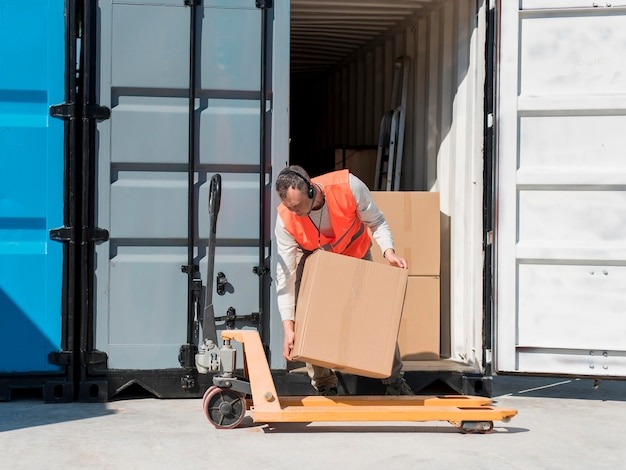
Moving a business is far more complex than moving a home. Instead of sofas and wardrobes, you may be dealing with server racks, industrial printers, safes, machinery, and large furniture. Every hour of downtime can cost money, so efficiency matters as much as safety. Professional heavy goods removal helps companies relocate smoothly while protecting equipment, staff, and the building. Here is what to know before your next commercial move.
1. Start With a Detailed Plan and Inventory
Successful heavy goods removal begins long before moving day. Walk through your premises and list every large item, noting its weight, dimensions, and any special handling needs.
Measure doorways, corridors, lifts, and loading areas at both locations. Assign a project manager from your team to coordinate with the removal company and set clear deadlines. A thorough inventory prevents surprises and keeps the schedule on track.
2. Choose an Experienced Commercial Mover
Not every moving company is equipped for commercial work. When selecting a provider for heavy goods removal, ask about experience with offices, warehouses, or workshops similar to yours.
Check that the company carries goods-in-transit and public liability insurance, and ask for references from other business clients. Trained crews, proper equipment, and clear written quotes are signs of a reliable partner.
3. Handle Sensitive and High-Value Equipment Carefully
Offices often contain expensive technology and confidential material. Heavy goods removal for items such as servers, copiers, and safes requires special packing, padding, and secure transport.
Back up all data before moving computers, and label cables and components so setup is quick at the new site. Locked cabinets and document storage should be tracked carefully, with a clear chain of custody for sensitive files.
4. Use the Right Equipment and Safety Practices
Safety is essential in any commercial move. Professional heavy goods removal teams use pallet trucks, hoists, stair climbers, ramps, and lifting straps to move bulky items without risking injury.
They also protect floors, walls, and lift interiors with coverings. Make sure staff stay clear of the work area and that walkways are free of obstacles. Following health and safety rules protects everyone and reduces the risk of claims.
5. Minimize Downtime and Business Disruption
A well-timed move can save thousands. Many companies schedule heavy goods removal over a weekend or outside normal hours so operations can resume quickly on Monday.
Ask the removal company about phased moves, where departments transfer in stages, which keeps essential services running. Create a floor plan for the new space in advance so furniture and equipment go directly to the right location instead of being moved twice.
Final Thoughts
Relocating a business is a major project, but good preparation makes it manageable. Create a detailed inventory, choose an experienced and insured provider, protect valuable equipment, and plan the timing to minimize downtime. With the right team handling heavy goods removal, your company can move into its new space safely, quickly, and with minimal disruption, ready to get back to work.