

Building a house is one of the most significant investments you can make. Every decision you take affects your future comfort and property value. From selecting the land to choosing the right materials, strategic planning can save you money and increase your home’s worth. The key is to combine careful research with smart execution.
Planning Your Budget Early
Before you even start looking for land or hiring a home builder, set a realistic budget. Include all costs such as construction, permits, utilities, and landscaping. Unexpected expenses often arise, so add a buffer of at least 10–15 percent. Sticking to a clear budget ensures you get the most value out of your investment without compromising quality.
Selecting The Right Location To Buy A Plot Of Land
The location of your home impacts both your lifestyle and long-term value. Consider proximity to schools, hospitals, markets, and transportation. Check local development plans; an area with planned infrastructure growth can boost your property value. When you buy a plot of land, location matters as much as the size and shape.
Hiring An Experienced Home Builder
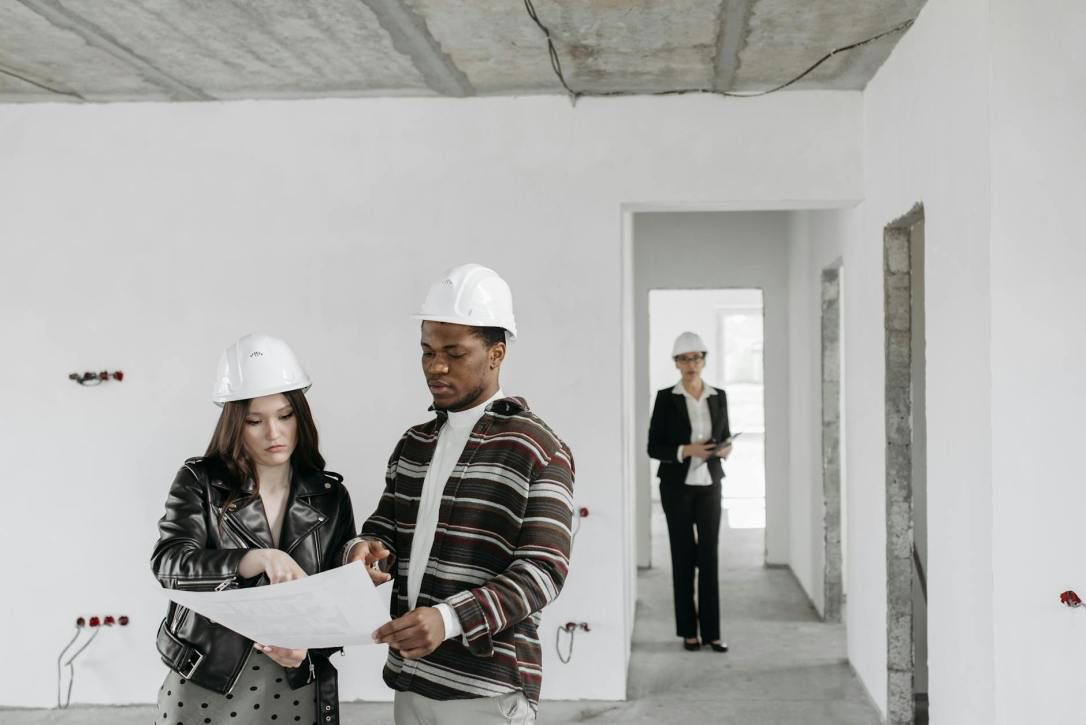
Choosing a skilled home builder is crucial. A home builder manages timelines, materials, and labor efficiently. They can offer design suggestions that maximize space and energy efficiency. A reliable builder ensures your investment is used wisely, reducing costly mistakes along the way. Hiring the right home builder guarantees both quality and value.
Designing With Resale Value In Mind
Even if you plan to live in the home long-term, consider future resale value. Modern layouts, natural lighting, and energy-efficient features appeal to buyers. Materials that last longer and require less maintenance also enhance value. Incorporating these ideas while working with your home builder ensures your house remains a strong investment.
Optimizing Land Use After You Buy A Plot Of Land
Once you buy a plot of land, use it wisely. Create outdoor spaces, gardens, or even additional structures that complement the main house. Proper land use can increase property value and create functional areas for family enjoyment. Maximizing your plot’s potential makes every square foot work toward a higher return.
Choosing Cost-Effective Materials
High-quality materials don’t always mean the most expensive. Research alternatives that balance durability and cost. Recycled or locally sourced materials can reduce expenses while maintaining a premium look. Smart choices in materials allow you to invest more in essential areas like structural integrity and energy efficiency.
Incorporating Energy Efficiency
Energy-efficient designs save money in the long run. Solar panels, proper insulation, and water-saving fixtures reduce utility bills. Your home becomes more appealing to future buyers, further increasing investment value. Small upgrades during construction can yield significant returns over time.
Conclusion
Maximizing your investment when building a house requires thoughtful planning, smart budgeting, and careful decision-making. From selecting the right location to hiring a skilled home builder, every step counts. Efficient land use, quality materials, and energy-saving features further enhance value. By following these strategies, you ensure your new home is both a comfortable living space and a wise financial investment.