

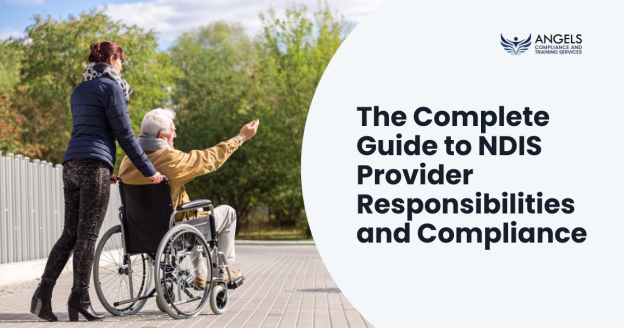
The National Disability Insurance Scheme (NDIS) is one of Australia’s most significant social reforms, empowering people with disabilities to live more independently and with greater choice over the supports they receive.
Behind this system are the providers, individuals, and organisations dedicated to offering high-quality, safe, and ethical services.
Becoming and remaining an NDIS provider requires more than passion; it demands structure, documentation, and accountability. From registration to day-to-day operations, providers must meet a range of standards that uphold participant rights and ensure national consistency.
This guide outlines the key responsibilities providers must meet from the start of their NDIS journey through to ongoing compliance.
Understanding NDIS Provider Registration
Before offering supports under the NDIS, every provider must undergo a structured registration process. This process confirms that the organisation or individual meets the standards outlined by the NDIS Quality and Safeguards Commission, including governance, risk management, participant safety, and ethical conduct.
The registration process is designed not to complicate, but to protect, ensuring that every participant receives care from trusted, qualified, and accountable providers.
The Purpose of Registration
Registration gives providers official approval to deliver supports to participants who are agency-managed and allows them to appear on the NDIS Provider Finder.
It also signals credibility, assuring participants and their families that the provider’s policies, training, and systems have been reviewed by an independent auditor and meet national quality standards.
Most importantly, registration creates a shared foundation for safety, equality, and trust between participants and providers.
What You Need to Know Before Applying
Before beginning the application process, providers should have a clear understanding of the services they plan to offer and under which registration groups those services fall. Each group determines the type of audit (Verification or Certification) that the provider must complete.
Applicants must also have:
- An active ABN (Australian Business Number).
- Appropriate insurance coverage (Public Liability, Professional Indemnity, and Workers Compensation).
- Documented governance and management systems.
- Trained staff who meet NDIS worker screening and qualification requirements.
These form the foundation of a strong and compliant registration application.
Step-by-Step NDIS Provider Registration Checklist
A ndis provider registration checklist serves as a practical roadmap for new providers navigating the application process. While every provider’s journey will differ slightly depending on their services, a typical checklist includes the following:
- Determine Your Registration Groups: Identify the supports you will deliver under the NDIS (e.g., SIL, STA, community access, or therapy).
- Gather Required Documents: Prepare evidence of insurance, policies, procedures, and business structure.
- Complete the Online Application: Submit your details, key personnel information, and service scope through the NDIS Commission portal.
- Select an Approved Auditor: Choose an independent auditor to assess your compliance against NDIS Practice Standards.
- Undertake the Audit: Participate in a Verification or Certification audit depending on your risk category.
- Submit Audit Findings: Upload the final audit report and supporting documentation to the NDIS Commission for review.
- Await Approval: Once assessed, successful applicants receive an official registration certificate outlining their approved services.
Following this structured process ensures a smoother, more efficient application and demonstrates professionalism from the start.
Common Mistakes During Registration
Many providers underestimate the level of preparation required for registration. Common mistakes include:
- Submitting generic or incomplete policies.
- Failing to identify the correct registration groups.
- Not maintaining accurate documentation for audits.
- Inadequate worker screening processes.
Each of these errors can delay approval or result in rejection. Thorough preparation and an understanding of the NDIS Commission’s expectations are essential for success.
Understanding the NDIS Practice Standards
Once registered, providers are expected to operate in accordance with the NDIS Practice Standards. These standards define what quality looks like within the scheme and form the foundation for every audit and compliance review.
They are organised under four key domains:
- Rights and Responsibilities: Protecting participants’ dignity, privacy, and choice.
- Governance and Operational Management: Ensuring effective leadership, planning, and accountability.
- Provision of Supports: Delivering services safely and effectively.
- Support Environment: Maintaining environments that promote health, safety, and inclusion.
These standards are not static; they evolve with the sector, meaning providers must regularly review and update their policies to stay aligned.
Ongoing Responsibilities After Registration
Registration is only the beginning. Providers must continue to meet the NDIS Commission’s expectations in their daily operations. Ongoing responsibilities include:
- Conducting internal audits.
- Keeping worker screening and insurance current.
- Reporting and responding to incidents promptly.
- Maintaining up-to-date risk management plans.
- Providing staff with ongoing training and supervision.
These steps ensure that compliance isn’t just maintained on paper but lived through practice.
Understanding NDIS Provider Compliance
Maintaining ndis provider compliance is a long-term process that ensures providers operate in line with legal and ethical standards. It involves adhering to the NDIS Code of Conduct, the Practice Standards, and all relevant legislative requirements.
Compliance requires a balance of structure and flexibility providers must establish systems that are strong enough to prevent risk yet adaptable enough to meet evolving participant needs.
Areas covered under provider compliance include:
- Transparent complaints handling procedures.
- Worker behaviour aligned with professional standards.
- Risk management frameworks that prioritise safety.
- Documented evidence for all policies, decisions, and incidents.
When providers maintain consistent compliance, participants can be confident that their supports are delivered with integrity and care.
Why Compliance Is a Continuous Journey
Compliance is not a task to be completed once; it’s a cycle of learning, reviewing, and improving.
Every incident, audit, or participant feedback session provides an opportunity to refine processes and strengthen services. Providers who adopt this continuous improvement mindset are better equipped to adapt to regulatory changes and achieve long-term success.
It also ensures that participants receive consistent, high-quality care, which is the ultimate goal of compliance.
The Role of Staff in Compliance
Frontline workers are the face of compliance. Their actions, documentation, and communication directly influence how well a provider meets NDIS requirements.
Staff should be trained in key areas such as:
- The NDIS Code of Conduct.
- Incident reporting procedures.
- Privacy and confidentiality obligations.
- Participant rights and advocacy.
Regular refreshers and open communication between management and staff create a culture of accountability where compliance is everyone’s responsibility.
Incident Management and Reporting
Incident reporting is a core part of compliance under the NDIS. Providers must have clear processes for identifying, recording, and responding to incidents, including reportable incidents that must be submitted to the NDIS Commission.
Proper reporting ensures transparency and allows the Commission to identify systemic issues or patterns that require attention. It also gives participants reassurance that their safety is taken seriously.
The Value of Internal Audits
Internal audits help providers stay prepared for external reviews and identify potential risks before they become serious issues.
These reviews should examine governance, staff training, risk management, and participant satisfaction. By conducting audits regularly, providers can monitor performance, evaluate policy effectiveness, and make improvements early.
This proactive approach reduces compliance breaches and builds a stronger organisational foundation.
Participant Rights and Safeguards
At the heart of the NDIS framework are participant rights the right to be treated with respect, to make choices, and to feel safe.
Providers must have mechanisms in place to uphold these rights, such as accessible complaint pathways, transparent communication, and staff training focused on dignity and inclusion.
Every decision and action should be guided by the principle that participants are at the centre of all support delivery.
Staying Updated with Regulatory Changes
The NDIS sector is dynamic, with evolving guidelines, practice standards, and legislation. Providers should regularly monitor updates from the NDIS Commission, attend workshops or webinars, and revise internal policies accordingly.
This ensures ongoing compliance and readiness for audits, renewals, and participant expectations.
Continuous Improvement as a Mindset
True excellence in the NDIS sector comes from continuous improvement, an ongoing process of learning, reviewing, and refining.
By tracking outcomes, analysing incidents, and gathering feedback, providers can evolve their systems to deliver better, safer, and more effective supports. This mindset transforms compliance from an obligation into a tool for innovation and growth.
Conclusion
Becoming and remaining an NDIS provider requires more than meeting paperwork deadlines it’s about building a culture of responsibility, transparency, and respect.
A well-prepared ndis provider registration checklist helps new providers navigate the application process with confidence, while long-term commitment to ndis provider compliance ensures safe and high-quality services throughout the journey.
Compliance, when viewed not as a burden but as a guiding principle, strengthens trust, promotes excellence, and safeguards the well-being of every participant, the true purpose of the NDIS.