

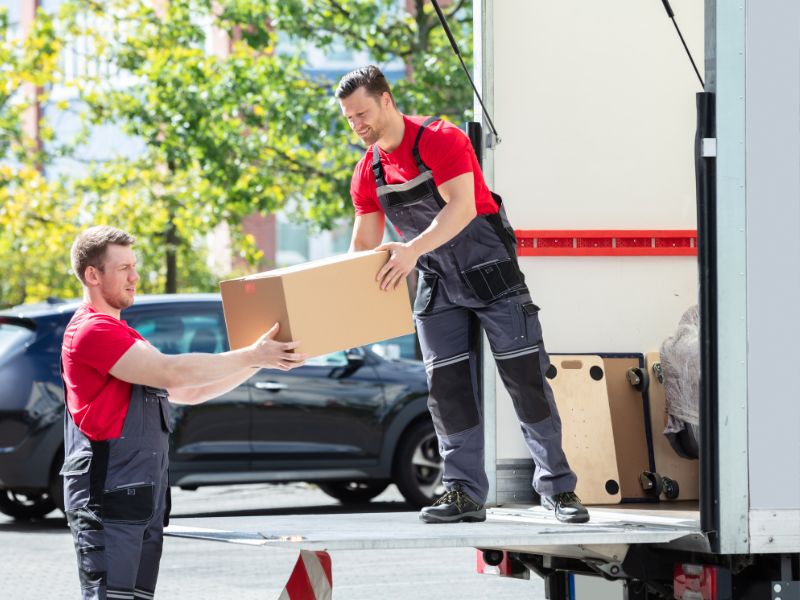
Moving is not a singular act of transportation. It is a phased operational process composed of packing, removal, and cleaning. Each segment requires structure. Flyttstädning Värnamo occupies the final and most critical stage of this sequence. It transforms a vacated residence from an occupied condition into an inspection-compliant state. The cleaning process is not symbolic courtesy; it is procedural necessity. Property handovers within Värnamo’s rental and ownership framework demand measurable cleanliness as a condition of closure. For direct reference and service detail, see Flyttstädning Värnamo.
Structural Function
Flyttstädning operates as the concluding phase in relocation logistics. The objective is not improvement but restoration. A properly executed cleaning returns the property to its pre-occupancy baseline. This phase includes complete removal of dust, grease, mineral residue, and odor. A successful operation neutralizes the visual and sensory signs of habitation. Incomplete cleaning interrupts the transition process and triggers cost deductions or cleaning surcharges.
The efficiency of a move is determined not by how quickly belongings are transported but by how effectively the space is left behind.
Operational Components
1. Kitchen
The kitchen is the highest-density contamination zone. Cleaning must cover both visible and hidden surfaces. All appliances are cleaned internally. Stove plates and oven interiors are degreased, filters are rinsed, and cabinet interiors are wiped dry. Refrigerator and freezer defrosting is mandatory. Sinks and drains are cleaned to zero residue.
2. Bathroom
This section requires chemical rotation between acid-based descalers and neutral detergents. Tiles, grout, and taps are scrubbed. Mirrors and glass partitions are dried without streak formation. Ventilation units are vacuumed and wiped. Odor elimination is essential for inspection approval.
3. Living Areas
Dust removal follows a vertical gradient: ceilings, walls, switches, and baseboards. Window sills, frames, and doors are cleaned. The process finishes with vacuuming and floor washing based on surface material.
4. Glass and Windows
All accessible glass surfaces are cleaned inside and out. Corners and frames are brushed and wiped. The glass must remain streak-free under direct light.
5. Floors
Material-specific handling applies. Wood flooring demands near-dry mopping; tiles and vinyl surfaces tolerate damp cleaning. Carpeted areas require mechanical vacuuming.
Procedural Logic
The correct cleaning path is sequential, dry cleaning precedes wet cleaning. Work proceeds from upper surfaces downward and from the farthest room toward the exit. Tools and detergents are prepared prior to execution. Efficiency depends on uninterrupted workflow.
A standard two-room flat within Värnamo typically requires five to seven labor hours for completion. Larger properties scale proportionally. Attempting to compress cleaning time produces inconsistent outcomes that fail landlord inspection.
Verification Standard
The post-cleaning evaluation process is binary. Approval occurs only when all surfaces meet visible and tactile cleanliness criteria. Landlords or property managers evaluate using natural or directed light to identify streaks or dust patterns. Failure to pass inspection often results in immediate re-cleaning orders or partial deposit retention.
The cleaner or tenant responsible should maintain documentation through timestamped images and completion logs. Such records serve as dispute mitigation evidence.
Functional Analysis
Flyttstädning Värnamo defines the boundary between an unfinished move and a completed one. It ensures environmental reset and transactional closure. Without proper cleaning, a relocation remains administratively incomplete.
The process demands mechanical precision, time allocation, and adherence to a fixed method. The most efficient move is not the fastest, it is the one that ends with a verified clean property, no disputes, and a fully executed transfer.