

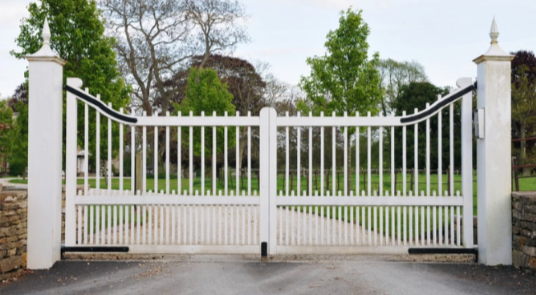
Automated gates offer a blend of security, convenience, and aesthetic appeal to any property. While they seem to operate with simple magic, a sophisticated system of components works in harmony to provide smooth, reliable performance. Understanding this technology is key for property owners considering an upgrade. For those looking for a seamless installation of an electric gate in Cumming, knowing the mechanics involved helps in making an informed decision about the type of system that best suits their needs. This technology ensures that with just the push of a button, you have controlled access to your home or business.
The Core Components of an Automated Gate System
Every electric gate, regardless of its design, relies on a few essential parts to function. These components are the engine, the brain, and the senses of the operation, working together to open and close the gate on command.
The Gate Operator (The Motor)
The operator, or motor, is the powerhouse of the system. This is the component responsible for the gate’s physical movement. The type of motor required depends heavily on the gate’s design and weight.
- Sliding Gates: These typically use a rack-and-pinion system. A toothed rack is attached to the gate, and a gear on the motor engages with it, pulling the gate open or pushing it closed along a track.
- Swing Gates: These operate more like a traditional door, using an articulated arm or an underground operator to swing the gate open and shut on its hinges.
The Control Box (The Brain)
The control box is the central processing unit of the entire system. It receives signals from your access control device, such as a remote or keypad, and relays them to the motor. This brain tells the gate to open, close, or stop. It also manages the power supply, converting household electricity to the low voltage required by the gate’s motor and accessories. Professionals often work with a reliable gate supplier for contractors in Cumming to source high-quality, durable control units that can withstand the elements and provide long-term service.
Access Control and Safety Features
Beyond the basic mechanics, electric gates are equipped with advanced features for access and safety. These technologies determine who can enter and ensure the gate operates safely.
How You Open the Gate
Access control systems are the methods used to signal the gate to open. These range from simple remote controls to more complex systems. Keypads that require a code, intercoms that let you speak with visitors before granting access, and even sensors that detect an approaching vehicle are all common options. The choice of access control depends on the desired level of security and convenience.
Essential Safety Mechanisms
Safety is a paramount concern for any automated system. Modern electric gates incorporate multiple safety features to prevent accidents. Photoelectric sensors, or photo-eyes, are a standard feature. They project an infrared beam across the gate opening. If this beam is broken by a person, vehicle, or object, the gate will immediately stop and reverse its movement to prevent impact. Additionally, pressure sensors can detect physical contact and reverse the gate’s direction if an obstruction is encountered.
Conclusion
The technology behind electric gates transforms a simple barrier into an intelligent and responsive security feature. From the powerful motor that drives the movement to the smart control box that processes commands, each part plays a vital role. Complemented by sophisticated access controls and critical safety sensors, these systems provide property owners with a reliable, secure entry solution. A professional installation ensures all these components work together flawlessly for optimal performance and peace of mind.